At first glance, square waves—also known as a cross sea—may look mesmerizing, like a giant checkerboard across the surface of the ocean. But don’t let their beauty fool you. These rare, geometric patterns are a natural warning sign of potential danger lurking beneath the surface. If you ever spot square waves forming, it’s critical to get out of the water immediately. Here’s why.
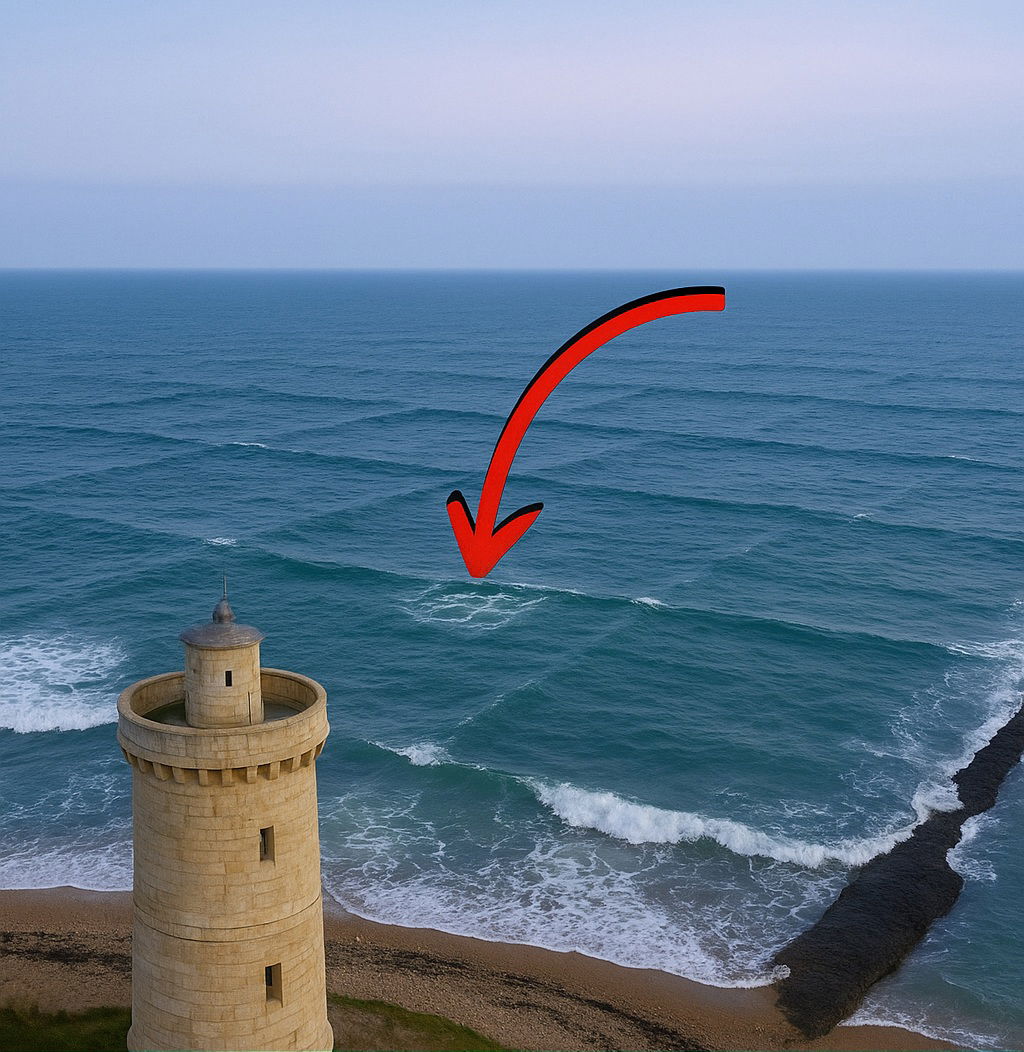
What Are Square Waves?
Square waves occur when two wave systems intersect from different directions at nearly perpendicular angles. Instead of the smooth, parallel waves we usually see at the beach, square waves create a grid-like pattern on the water’s surface, with wave crests intersecting at 90-degree angles. This phenomenon is most commonly seen near coastal areas where two weather systems or ocean swell directions collide.
These patterns are often visible from above—on cliffs, drones, or satellite images—but can also be seen from shore under the right conditions.
Why Are Square Waves So Dangerous?
Despite their hypnotic appearance, square waves signal chaotic conditions beneath the surface:
1. Strong Currents and Underwater Turbulence
When two wave systems meet at right angles, their energies combine and clash. This creates highly unpredictable and dangerous underwater currents, capable of pulling swimmers, surfers, or small boats in multiple directions at once. The risk of being caught in a rip current or dragged beneath the surface is extremely high.
2. Increased Risk of Capsizing Boats
For boaters, especially those in smaller vessels or sailboats, cross seas are a nightmare. The intersecting waves can knock boats off balance from multiple sides, increasing the chances of capsizing—even in seemingly calm weather. Many maritime accidents have occurred due to unsuspecting sailors being caught in a cross sea.
3. Reduced Visibility and Control
Surfers, divers, and swimmers can quickly become disoriented in square wave conditions. The crisscrossing waves can break unexpectedly, push people under, and make it difficult to return to shore or maintain orientation in the water.
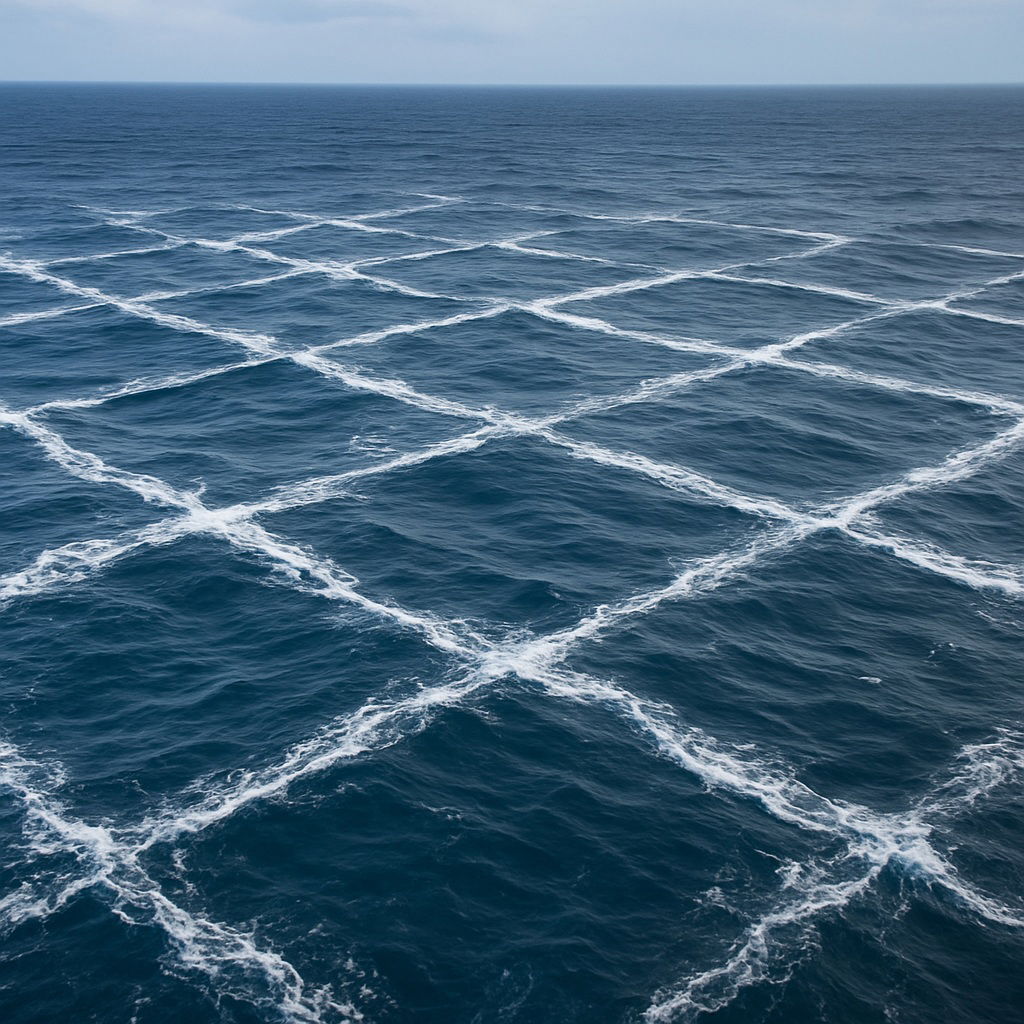
Where and When Do Square Waves Occur?
Square waves are more common in certain parts of the world, particularly near islands or peninsulas where swells from different directions collide. One famous example is near the Isle of Ré, off the western coast of France, where square waves frequently form due to the convergence of swells from the Atlantic Ocean and the Bay of Biscay.
They typically form:
-
After storms or weather systems moving in different directions.
-
In regions with intersecting ocean currents.
-
Under calm surface conditions, which may deceive observers into thinking it’s safe.
What Should You Do If You See Square Waves?
1. Get out of the water immediately.
If you’re swimming, surfing, or boating and you notice a square wave pattern forming, exit the water as calmly and quickly as possible.
2. Warn others nearby.
Not everyone recognizes this natural hazard. Inform others on the beach or in the water that square waves are forming and advise them to leave the water too.
3. Avoid re-entering the water until conditions change.
Even after the waves appear to subside, residual currents can linger beneath the surface. It’s best to wait until local authorities or lifeguards declare it safe.
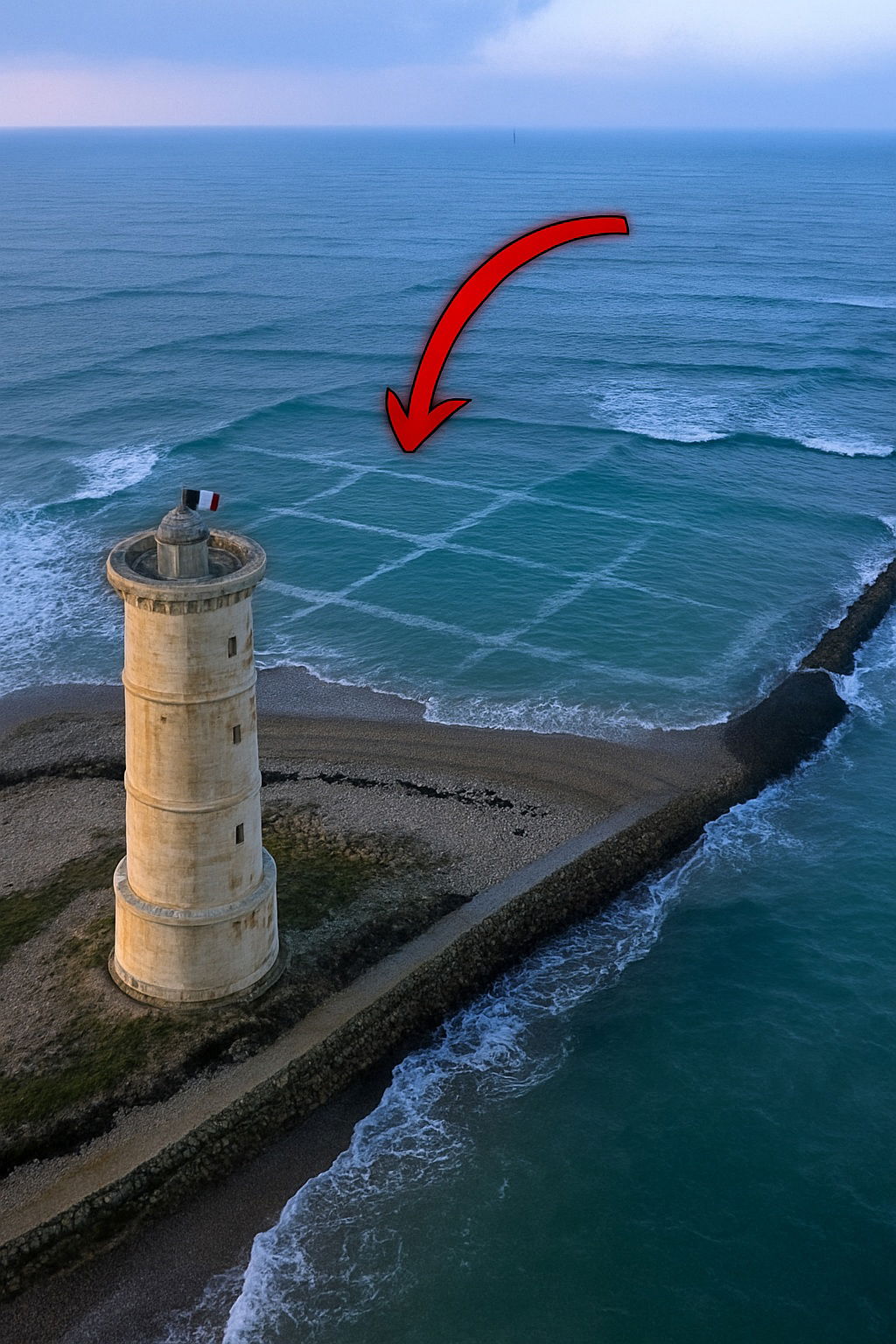
How to Recognize Square Waves
Look for:
-
A checkerboard or crisscross wave pattern.
-
Wave crests approaching from two distinct angles.
-
Water surface divided into squares or diamonds.
-
Unusual turbulence or movement beneath calm-looking water.
They may not always be large or towering waves. Often, the danger lies in the hidden strength and erratic movement of the water below.
Nature’s Beautiful Warning Sign
Square waves are a reminder that nature often gives visual cues before danger strikes. While they can be stunning to witness from a safe distance, they should never be underestimated. If you see them forming, admire them from shore—but don’t stick around in the water.
Stay safe. Stay aware. And always respect the power of the ocean.