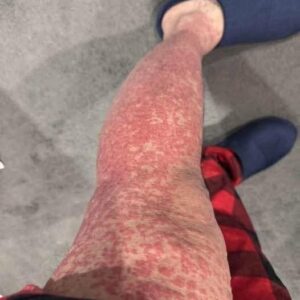
Hives—medically known as urticaria—are those annoying, itchy, red welts that can suddenly erupt on your skin and vanish just as quickly. Most people connect them with food allergies or medications, but there are many other lesser-known causes that might be to blame. Understanding these hidden triggers can help you pinpoint the source of your outbreaks and take effective steps to manage them.
Let’s explore 10 surprising reasons why hives might be showing up—and what you can do about them:
1. Stress and Anxiety
What’s Happening:
Emotional stress can set off a wave of hormonal activity, which boosts inflammation and prompts your body to release histamine—the same chemical involved in allergic reactions.
How to Handle It:
Try stress-relieving habits such as meditation, deep breathing, yoga, or mindfulness practices. Regular physical activity and good sleep hygiene can also make a big difference.
2. Temperature Fluctuations
Whether it’s a cold breeze, a hot shower, or simply sweating, rapid shifts in temperature can irritate the skin and lead to hives. This condition is known as cold or heat urticaria.
What You Can Do:
Avoid extreme temperatures, shower with lukewarm water, and dress in layers to help your body adjust more gradually. Antihistamines may offer quick relief.
3. Skin Pressure or Tight Clothing
Why It Happens:
Prolonged pressure—caused by snug clothing, sitting too long, or heavy backpacks—can lead to a type of hives called pressure urticaria.
Solutions:
Wear loose, breathable clothes and avoid extended pressure on your skin. OTC antihistamines may help relieve symptoms.
4. Unexpected Food Triggers
Beyond classic triggers like shellfish, eggs, or peanuts, certain people react to less obvious foods such as tomatoes, citrus, spicy dishes, or fermented products.
Next Steps:
Keep a detailed food diary and track any symptoms after meals. If you notice a pattern, consult an allergist to identify potential sensitivities.
5. Medications Not Typically Linked to Allergies
How It Happens:
Some drugs—like antibiotics, non-steroidal painkillers (e.g., ibuprofen), or certain blood pressure meds—can lead to hives as a side effect.
What To Do:
Go over your medication list with your doctor, especially if the hives appeared shortly after starting something new.
6. Viral or Chronic Illnesses
Why It Happens:
Hives can sometimes result from infections—like the common cold, mono, or even hepatitis—or ongoing health issues like thyroid disease.
What Helps:
Getting treatment for the underlying condition usually helps reduce or eliminate hives.
7. Sunlight Sensitivity
Why It Happens:
For those with solar urticaria, even a short time in the sun can trigger hives due to an abnormal immune response to UV exposure.
Prevention Tips:
Wear UV-protective clothing, apply broad-spectrum sunscreen, and limit time outside during peak sun hours. A dermatologist can offer personalized advice if this is a recurring issue.
8. Hormonal Changes
Why It Happens:
Hormone fluctuations—whether during your period, pregnancy, or menopause—can make some people more susceptible to hives.
What You Can Do:
Track your symptoms alongside your cycle and speak with your healthcare provider. Hormone-related treatments or lifestyle adjustments may help.
9. Water Contact (Yes, Really!)
What’s Going On:
A rare condition called aquagenic urticaria causes hives to appear after contact with water, no matter the temperature.
How to Cope:
Keep water exposure brief, use gentle skin products, and talk to a medical professional about long-term solutions.
10. Hidden Allergens in Everyday Products
Why It Happens:
Chemicals or fragrances in soaps, lotions, shampoos, detergents, or dryer sheets may trigger hives in people with sensitive skin.
What to Try:
Switch to unscented, hypoallergenic personal care products. Always patch-test new items on a small area before full use.
When Should You See a Doctor?
While most hive outbreaks are short-lived and harmless, it’s important to seek medical help if:
- Hives last longer than six weeks (chronic urticaria)
- You experience swelling of the face, lips, or throat (a sign of possible angioedema)
Though hives are commonly linked to food allergies or insect stings, many other hidden factors could be at play. By staying alert to your surroundings, lifestyle habits, and health conditions, you’ll be better equipped to uncover your personal triggers. If over-the-counter remedies don’t work, talk to a healthcare provider to dig deeper.
Have you uncovered any unusual hive triggers? Share your story—your experience might help someone else!