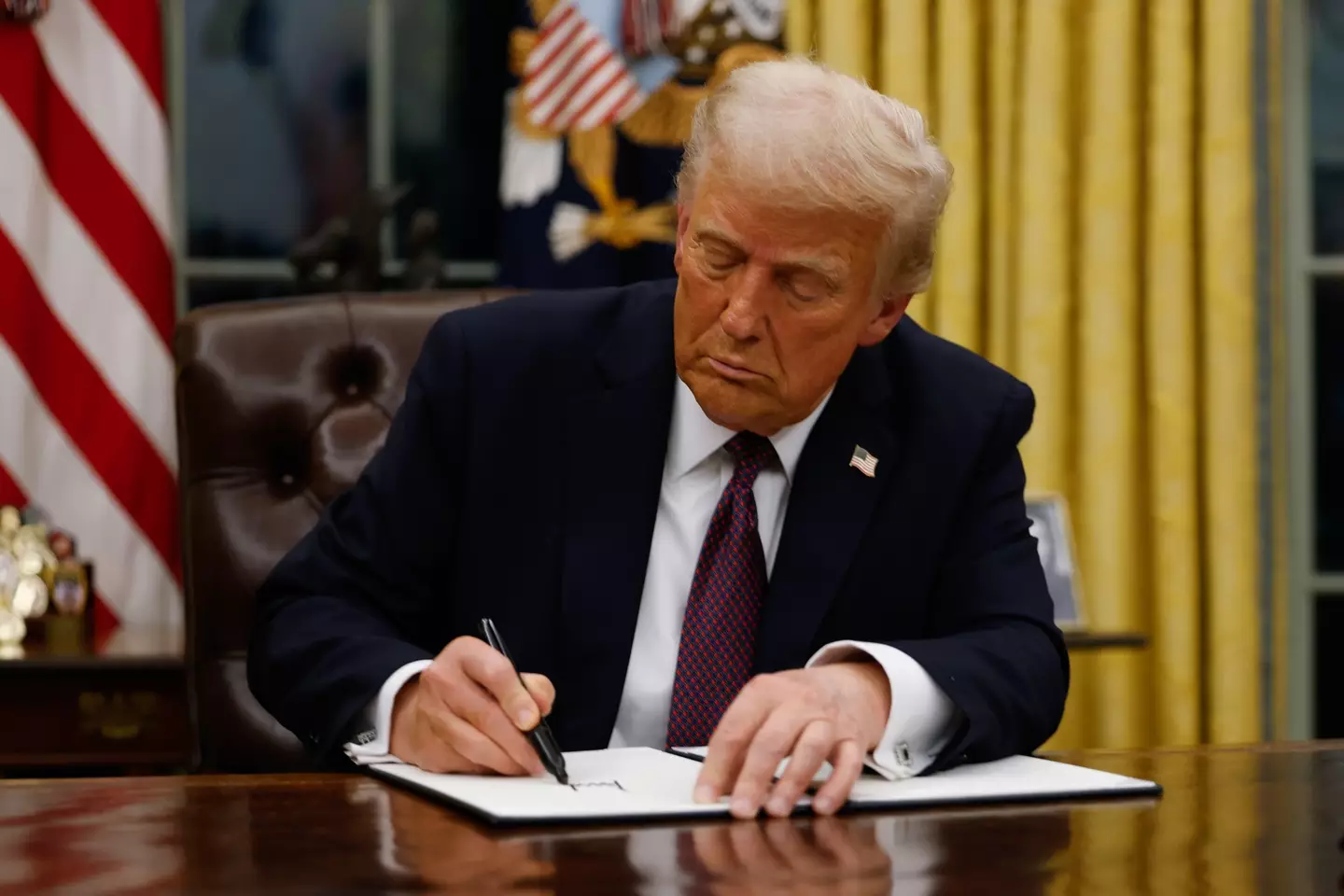
In a move reverberating across political circles, former President Donald Trump signed a series of executive orders on Thursday, including one granting clemency to pro-life activists and January 6 defendants. These actions, aimed at addressing what Trump and his supporters call “politically motivated” prosecutions, underscore his continued commitment to revisiting cases he believes were unjustly handled under the Biden administration.
Pro-Life Activists Pardoned Ahead of March for Life
Among Trump’s most significant actions was granting pardons to pro-life activists convicted under the Freedom of Access to Clinic Entrances (FACE) Act. These activists were charged for their involvement in peaceful demonstrations advocating against abortion. The pardons come just before the 52nd annual March for Life in Washington, D.C., a prominent event for the pro-life community, signaling Trump’s alignment with their cause.
Senator Josh Hawley voiced his support on social media, stating, “I hope President Trump will shortly pardon the pro-life prisoners unjustly targeted & jailed by the Biden Administration. They deserve to be free.” Hawley’s sentiment reflects a broader push within conservative circles to challenge what many perceive as selective law enforcement targeting their activism.
Targeting the FACE Act
Trump’s pardons coincide with legislative efforts to repeal the FACE Act, a federal law designed to protect access to reproductive healthcare facilities. Critics of the law argue it has been used to unfairly target pro-life activists. Senator Mike Lee of Utah and Representative Chip Roy of Texas have introduced bills to dismantle the law, with Lee stating, “We must ensure no administration can persecute Americans through unequal application of the law.”
While supporters of the FACE Act emphasize its importance in safeguarding access to healthcare, opponents argue it infringes on First Amendment rights. Trump’s actions have reignited debates over the law’s enforcement and broader implications for protest rights.
Details of the Pardons
Trump’s clemency order extends to over 1,500 individuals involved in politically sensitive cases. For pro-life activists, this includes figures such as Lauren Handy, Jonathan Darnell, Joan Bell, and others who faced sentences ranging from months to years for their roles in demonstrations. Many of these protests included acts like praying, singing hymns, and forming blockades at abortion clinics.
Notably, Trump pardoned Heather Idoni, a 59-year-old grandmother, and 89-year-old Eva Edl, a Holocaust survivor. Both were convicted for participating in demonstrations at abortion facilities, with Edl facing a potential decade-long sentence. Their stories have garnered widespread attention, highlighting the personal toll of these prosecutions.
Fulfilling a Campaign Promise
Trump’s clemency extends beyond pro-life activists to individuals charged in connection with the January 6 Capitol riot. During his campaign, Trump frequently criticized the Biden administration for what he described as politically motivated prosecutions. He vowed to review the cases of “political prisoners” and bring them back to their families, a promise his supporters see as fulfilled through these actions.
While critics argue such measures undermine the rule of law, Trump’s base views them as necessary corrections to perceived injustices. The move strengthens Trump’s position as a defender of his supporters and a challenger to what he considers institutional overreach.
Broader Implications
The pardons have sparked intense debate over executive clemency’s role in justice and accountability. Advocates for reproductive rights argue the decision undermines access to healthcare and encourages obstruction, while Trump’s supporters claim the activists were unfairly targeted for exercising their constitutional rights.
Efforts to repeal the FACE Act add another dimension to the controversy. If successful, such a repeal could significantly shift federal policy on reproductive healthcare access and activism, potentially intensifying conflicts at clinics nationwide.
A Polarizing Legacy
Trump’s decision to pardon pro-life activists and January 6 defendants solidifies his reputation as a polarizing figure unafraid of bold, controversial actions. While the immediate impact brings relief to the pardoned individuals and their families, the broader societal implications will likely shape debates on justice, activism, and the limits of executive power for years to come.
For Trump’s supporters, these actions reaffirm his commitment to their causes. For his critics, they highlight concerns about the erosion of legal norms and the potential for escalating political divides. As the dust settles, Trump’s legacy as a leader willing to disrupt the status quo remains as divisive as ever.