
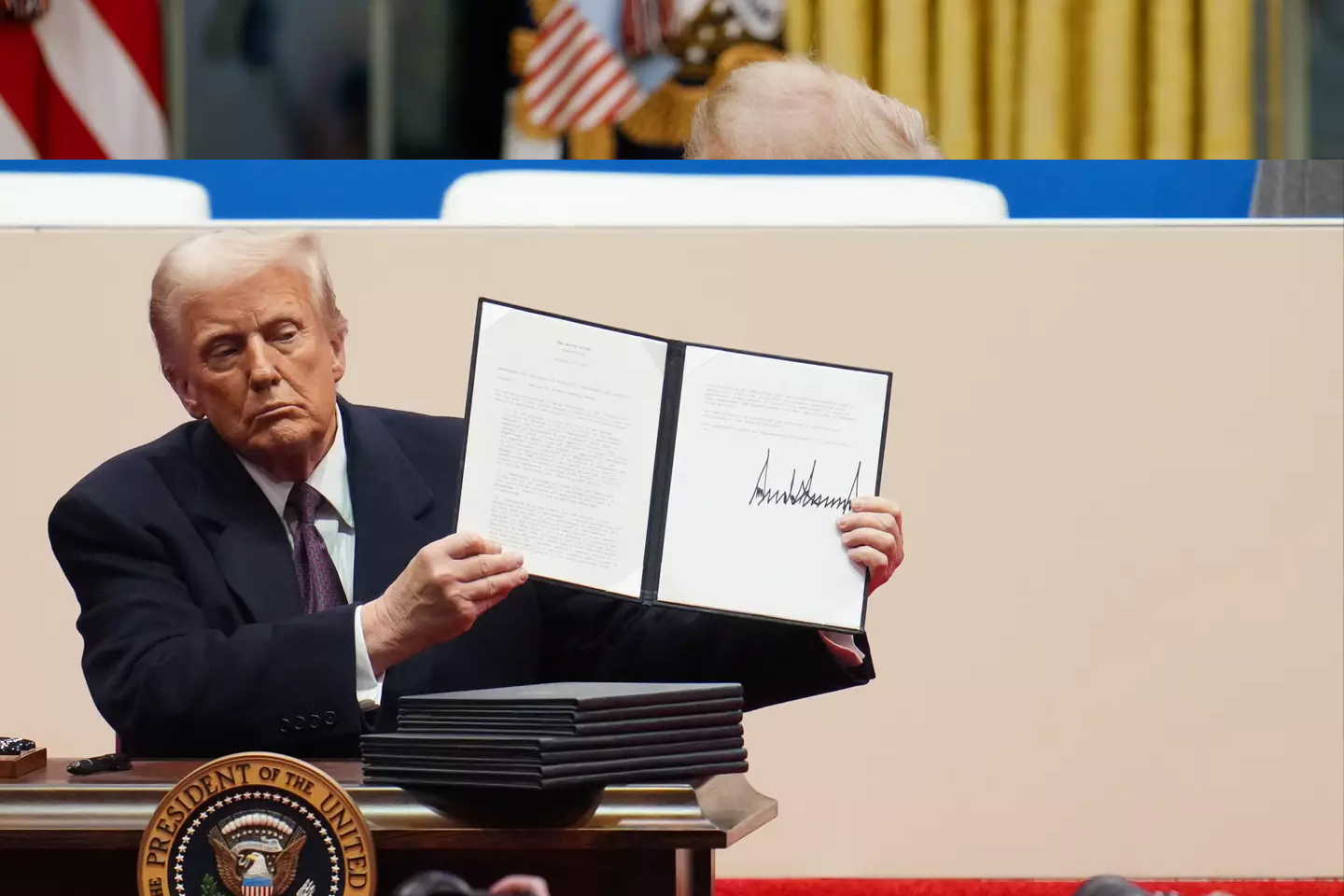
The Republican president previously vowed to title the body of water the ‘Gulf of America’
Donald Trump Renames the Gulf of Mexico as Part of Bold Immigration Strategy—But There’s a Catch
Just three days into his second term as President of the United States, Donald Trump has followed through on a surprising campaign promise: renaming the Gulf of Mexico. During a press conference on January 7 at Mar-a-Lago, the 78-year-old Republican leader announced that the body of water would now be referred to as the “Gulf of America” on official U.S. maps. However, the decision comes with significant caveats, leaving its implementation far from universal.
A “Beautiful” Name for a Renewed Era
At the press conference, Trump described the new name as “beautiful” and symbolic of his administration’s vision for the country. “The Gulf of America—what a beautiful name, and it’s appropriate,” Trump said, linking the name change to his immigration policy aimed at strengthening U.S. borders.
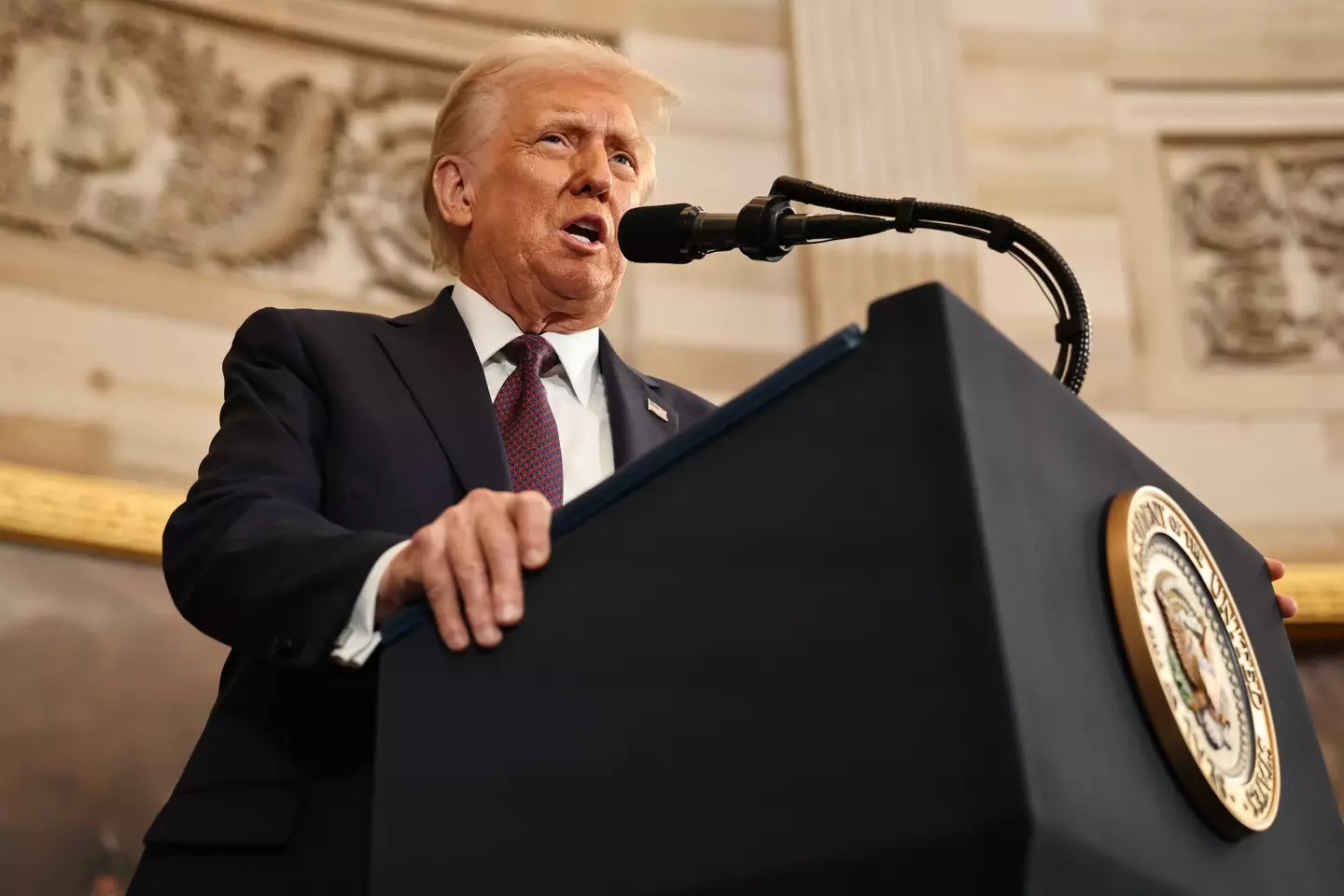
Trump reiterated the sentiment during his inauguration speech at Washington D.C.’s Capitol Rotunda on January 20, where he outlined plans to restore what he called a “Golden Era” for the United States. Among the topics addressed were sweeping immigration reforms, a renewed emphasis on national sovereignty, and the renaming of the Gulf of Mexico as part of his broader America-first agenda.
The announcement drew mixed reactions. While some attendees appeared supportive, others, including former First Lady Hillary Clinton, were seen stifling laughter at what many perceived as a bold—but potentially divisive—move.
.jpg)
The Catch: Not Everyone Has to Comply
While Trump has pushed forward with the renaming of the Gulf of Mexico on official U.S. maps, the process of changing a name recognized internationally for over 400 years is no easy feat. The U.S. Board of Geographic Names (BGN), the federal agency responsible for geographic titles within the United States, has adopted the new designation. However, the board’s jurisdiction does not extend globally, meaning the rest of the world is under no obligation to recognize the change.
This point was emphasized by Claudia Sheinbaum Pardo, the President of Mexico, who dismissed the new title as a political stunt. In a sharp rebuttal, she argued that based on historical maps, the United States itself could be renamed “Mexican America,” highlighting the irony of attempting to rewrite centuries of geographic nomenclature. She further affirmed that Mexico and other nations would continue to use “Gulf of Mexico” as the official name.
“The Gulf of Mexico belongs to our shared history and geography,” Sheinbaum said. “This unilateral renaming will not change how the rest of the world views it.”
Immigration Reforms Take Center Stage
The name change is only one element of Trump’s aggressive agenda aimed at reshaping immigration policies. Within his first few days in office, Trump has signed several executive orders that have already made headlines.
One executive order designated Mexican drug cartels as a “foreign terrorist organization,” escalating the administration’s efforts to combat organized crime at the border. Another order labeled illegal border crossings from Mexico as an “invasion,” paving the way for increased militarization of immigration enforcement.
As part of these changes, U.S. military service members may now be deployed to Central America to serve as immigration and border enforcement officers. This shift is seen as a means of bolstering Trump’s promised mass deportation program, which he highlighted as a priority during his campaign.
Additionally, the U.S. Refugee Admission Program has been suspended, with the administration stating that it will undergo a comprehensive review every 90 days to assess its effectiveness and alignment with national security objectives.
Mixed Reactions to the Policies
The renaming of the Gulf of Mexico and Trump’s broader immigration policies have sparked heated debate. Supporters of the name change and stricter immigration controls argue that these measures reaffirm American sovereignty and strengthen the country’s borders. Critics, however, see the actions as inflammatory and divisive, undermining diplomatic relations with neighboring countries and reversing decades of progress on international cooperation.
One social media user captured the polarized sentiment, writing, “The Gulf of America? This is nothing more than pandering to Trump’s base. It’s symbolic, sure, but it’s also unnecessary and divisive.”
On the other hand, Louisiana Senator John Kennedy praised the decision, stating, “We need to reassert control over our borders and our identity. The Gulf of America reflects who we are as a nation.”
Challenges Ahead
Despite Trump’s decisive actions, the renaming of the Gulf of Mexico faces numerous hurdles, both domestically and internationally. While U.S. maps may reflect the new name, global acceptance remains unlikely given the historic and geographic ties of the name “Gulf of Mexico.”
Moreover, the sweeping immigration reforms enacted in Trump’s first days back in office have raised questions about their long-term impact on U.S. relations with its neighbors. Mexico, in particular, has voiced strong opposition to the changes, with President Sheinbaum vowing to resist what she called “unilateral and hostile actions” by the Trump administration.
Conclusion
As Donald Trump begins his second term, his actions signal a return to the nationalist policies that defined his first presidency. The renaming of the Gulf of Mexico to the “Gulf of America” may be largely symbolic, but it underscores a broader agenda focused on reshaping America’s image on the world stage.
While supporters see the move as a reaffirmation of American identity, critics warn that such actions risk alienating allies and deepening divisions both at home and abroad. As the world watches, Trump’s bold decisions will continue to spark debate about their implications for the future of U.S. policy and diplomacy.
