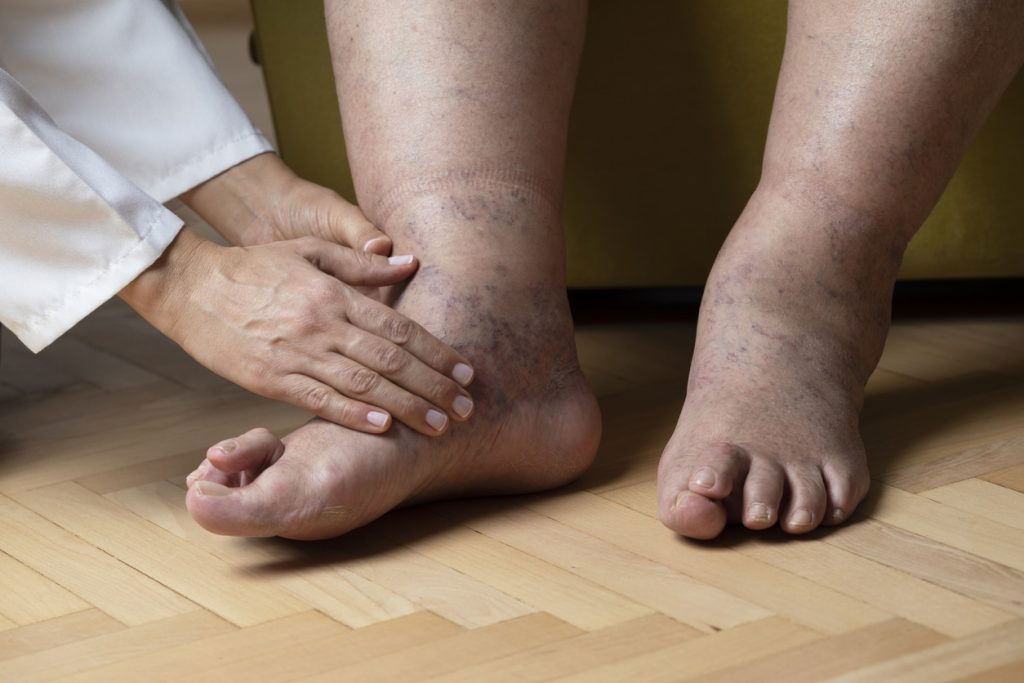
Edema refers to an unusual accumulation of fluid in the body’s tissues, which leads to visible swelling. It typically affects the lower parts of the body—such as the legs, ankles, and feet—but can also appear in the arms, hands, or even the face.
Although it might appear harmless at first, edema can sometimes signal a more serious medical condition. That’s why recognizing the symptoms and seeking medical advice is important.
1. What Is Edema?
Edema isn’t a disease but a symptom that indicates fluid retention in the body. It can occur in anyone but is especially common in older adults and pregnant people.
When swelling is widespread throughout the body, the condition is called anasarca. Edema may be short-lived or chronic, depending on its underlying cause.
2. Recognizing the Signs of Edema
Swelling is the most obvious symptom, especially in the legs, feet, and hands. Other signs include:
- A feeling of heaviness or tightness in the affected area
- Skin that looks stretched or shiny
- Joint stiffness or difficulty moving the area
- A dent in the skin when pressed (known as pitting edema)
Additional symptoms can depend on what’s causing the edema. For instance, people with heart problems may experience shortness of breath, while those with kidney or liver issues might feel unusually tired.
3. Common Causes of Edema
Many factors can contribute to fluid buildup in the body, including:
- Long periods of standing or sitting
- Certain medications (such as steroids or blood pressure drugs)
- Hormonal changes during menstruation or pregnancy
- Infections or physical injuries
- Varicose veins
- Issues with the lymphatic system (like lymphedema)
- Allergic reactions or insect stings
- Chronic illnesses involving the heart, kidneys, liver, or thyroid
- Blood pressure imbalances
- Consuming too much salt
4. How Doctors Diagnose Edema
If you notice swelling, your healthcare provider will likely start with a physical exam, checking for visible causes such as varicose veins, wounds, or infections. To pinpoint the root cause, they may order diagnostic tests such as:
- X-rays
- CT scans or MRIs
- Blood work
- Urine tests
These help rule out underlying conditions affecting vital organs such as the heart, liver, or kidneys.
5. Treating Edema
The approach to treatment depends on what’s causing the swelling. In mild cases—like those from standing too long or minor injuries—edema may go away without treatment. However, when edema is ongoing or linked to health conditions, medical care may be necessary.
Some common treatment options include:
- Diuretics (water pills) prescribed by a doctor to help the body remove excess fluid
- Cutting back on salt to reduce fluid retention
- Keeping legs elevated while resting or sleeping
- Wearing compression garments like stockings or wraps to aid circulation
- Receiving manual lymphatic drainage or massage to help fluid move through the body
Final Thoughts
While occasional swelling isn’t always a concern, ongoing or unexplained edema may indicate a more serious problem.
Paying attention to the signs and getting a timely medical evaluation is key. With the right diagnosis and care, most people can manage edema effectively and reduce the risk of complications.